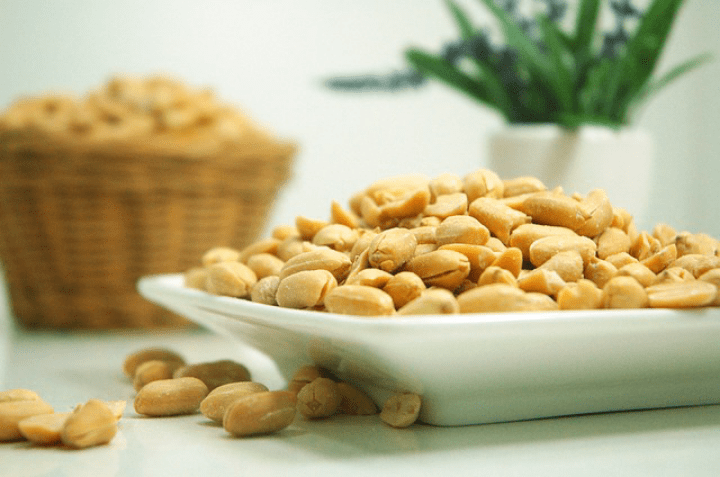
Peanuts are one of the most popular and widely consumed legumes in the world. They are used in a variety of dishes, both savory and sweet, and are often found in snacks, such as peanuts and peanut butter, or in desserts, such as peanut brittle. Peanuts are a great source of protein, fiber, vitamin B6, magnesium, and manganese. They are also a good source of antioxidants, including beta-carotene and lutein. In this article, we will discuss some of the health benefits of peanuts and how they can benefit your overall health. We will also discuss the possible side effects of peanuts and how to reduce those risks. Finally, we will provide some tips on how to include peanuts in your diet in a healthy way.
1. What are peanut allergies?
Peanut allergies are a condition in which the body reacts adversely to peanuts or their proteins. Symptoms can vary from mild to severe, and can range from a skin rash to anaphylactic shock, which is a life-threatening reaction to a substance.
There are two main types of allergies: food allergies and inhalant allergies. Food allergies are caused by the body’s immune system reacting to proteins found in food. Inhalant allergies, on the other hand, are caused by the body reacting to chemicals in the air, such as pollen, dust, mists, or pet dander.
Although peanuts are the most common food allergen, other foods that can cause allergies include tree nuts, eggs, milk, soy, wheat, and fish. It’s important to know which foods cause which allergies, as avoiding a food allergen can significantly reduce the risk of developing an allergy to that food.
2. What are peanut health benefits?
Peanuts are a very healthy source of protein and fiber. They are also a good source of magnesium, potassium, and vitamin E. In addition to these health benefits, peanuts are a great source of antioxidants.
Antioxidants are good for your overall health because they help fight against the damage that can be caused by free radicals. Free radicals are molecules that are created by the body and can damage cells.
Fighting off free radicals is important for keeping your skin healthy, your immune system functioning properly, and your cognitive function intact.
3. What are the risks of eating peanuts?
Peanuts are a great source of protein, vitamin E, and magnesium. They’re also a good source of zinc and omega-3 fatty acids. However, there are some risks associated with eating peanuts.
Peanuts can contain aflatoxins, a type of toxin. Aflatoxins can cause liver damage and cancer. They can also damage your reproductive system.
The best way to avoid these risks is to eat peanuts in moderation. Limit them to a couple of servings a week.
4. What are peanut allergies and health risks in children?

Peanut allergies are on the rise, and with good reason. Peanut allergies are serious, and can lead to a life-threatening reaction known as anaphylaxis.
There are a few things you need to know about peanut allergies and health risks in children. First of all, peanut allergies are on the rise in children, and the reason is unknown. It could be due to changes in the environment, more widespread exposure to peanuts, or possibly a change in the way peanuts are being processed.
Second, peanut allergies in children are not just a problem for those who are allergic to peanuts. It’s also a problem for parents of children who are allergic to peanuts. Children who have peanut allergies and also parents who are allergic to peanuts are at a higher risk for anaphylaxis, a life-threatening reaction that can occur from exposure to peanuts.
Last, peanut allergies in children can lead to a wide range of health problems, including:
* Asthma
* Allergies
* Intestinal problems
* Food allergies
* Eczema
In addition to health problems, children with peanut allergies are at a higher risk for dropping out of school, developing mental health problems, and experiencing other social problems.
If you are a parent of a child with a peanut allergy, it’s important to know about peanut health benefits and health risks in children. You can learn more about peanut health benefits by reading the following article.
5. What are the benefits of eating peanut butter?
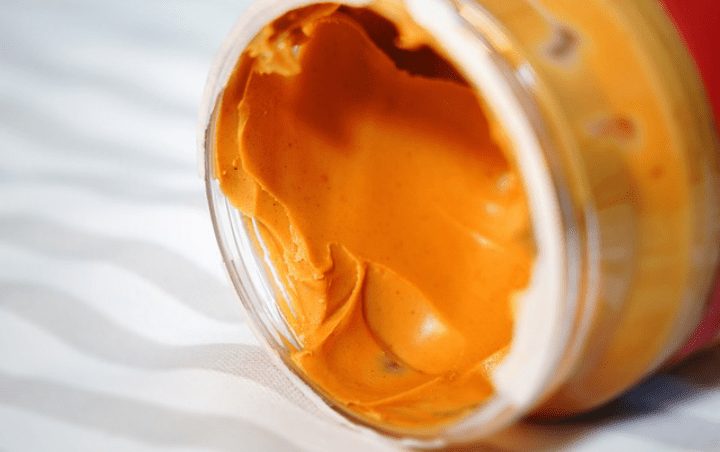
Peanut butter is a gbreat source of healthy fats, vitamins, and minerals. In fact, it is one of the top five sources of antioxidants. Here are some of the health benefits of eating peanut butter:
1. Peanut butter is a good source of protein.
2. It is a good source of vitamin E.
3. It is a good source of magnesium.
4. It is a good source of vitamin B6.
5. It is a good source of vitamin B12.
6. It is a good source of zinc.
7. It is a good source of folate.
8. It is a good source of choline.
9. It is a good source of omega-3 fatty acids.
10. It is a good source of dietary fiber.
6. What are the benefits of eating peanut flour?
Peanut flour is a great alternative to most store-bought gluten-free flour mixes. It offers a host of health benefits, including being a good source of protein and fiber. Here are some of the key benefits of peanut flour:
1. It’s a good source of protein.
2. It’s a good source of fiber.
3. It’s low in calories.
4. It’s a good source of monounsaturated fats.
5. It’s a good source of vitamin E.
6. It’s a good source of magnesium.
7. It’s a good source of potassium.
8. It’s a good source of vitamin B6.
9. It’s a good source of vitamin B12.
10. It’s a good source of iron.
Peanut flour is a great alternative to most store-bought gluten-free flour mixes, and offers a host of health benefits. Some of the benefits of peanut flour include being a good source of protein, fiber, monounsaturated fats, vitamin E, magnesium, potassium, and vitamin B6. Additionally, peanut flour is a good source of vitamin B12 and iron. If you are looking for a gluten-free flour alternative, peanut flour should be at the top of your list.
7. What are the benefits of eating peanut oil?
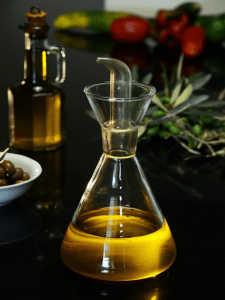
Peanut oil is a fantastic source of monounsaturated fats, which are good for your heart health. It also contains vitamin E, which can help to keep your skin healthy. It’s also a good source of protein, potassium, and magnesium.
8. What are the benefits of eating roasted peanuts?
Roasted peanuts are a great snack choice because they are high in fiber, protein, and healthy fats. They are also a good source of magnesium, potassium, and vitamin E.
Peanuts are a good source of fiber, which is important because it helps to reduce the risk of obesity and heart disease. In addition, peanuts are a good source of protein and healthy fats. These nutrients are important because they help to reduce the risk of heart disease, obesity, and diabetes.
Peanuts are also a good source of magnesium, potassium, and vitamin E. Magnesium is important because it helps to reduce the risk of heart disease, obesity, and diabetes. Potassium is important because it helps to reduce the risk of heart disease, stroke, and hypertension. Vitamin E is important because it helps to reduce the risk of heart disease, cancer, and Alzheimer’s disease.
9. What are the benefits of eating raw peanuts?
Raw peanuts are a great source of protein, vitamin E, magnesium, fiber, and other nutrients. Here are some of the health benefits of eating raw peanuts:
1. Raw peanuts are a great source of protein.
2. Raw peanuts are a great source of vitamin E.
3. Raw peanuts are a great source of magnesium.
4. Raw peanuts are a great source of fiber.
5. Raw peanuts are a great source of other nutrients.
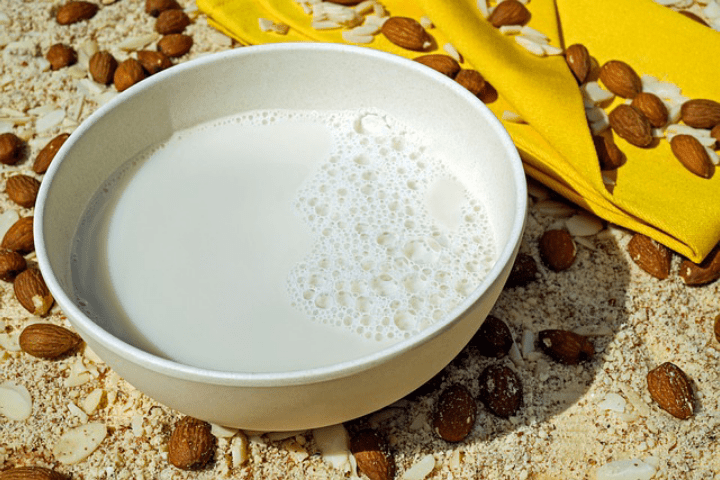
10. What are the benefits of eating peanut milk?
There are many health benefits to consuming peanut milk, which is why so many people enjoy it. Here are just a few of the many benefits:
1. Peanut milk is a great source of protein.
2. It is high in vitamins and minerals.
3. It is a good source of calcium.
4. It is a good source of magnesium.
5. It is a good source of antioxidants.
6. It is a good source of fiber.
7. It is a good source of potassium.
8. It is a good source of folate.
9. It is a good source of thiamin.
10. It is a good source of riboflavin.
Peanuts are a great source of protein and other nutrients, but many people are unaware of their health benefits. In this blog post, we will discuss some of the important peanut health benefits. We hope that this information will help you grow your knowledge about peanuts and make better food choices. Thank you for reading, and we hope that you will share this blog post with your friends and family.
- The Importance of Wellness in Today’s Society: Understanding the Wheel of Wellness: Safina Wellness AllianceThe concept of wellness has gained significant traction. As we navigate through the complexities of modern life, the importance of maintaining a balanced and healthy lifestyle cannot be … Continue reading The Importance of Wellness in Today’s Society: Understanding the Wheel of Wellness: Safina Wellness Alliance
- Remedy to Lower High Blood Pressure – Eat Your Medicine RightThere are many natural remedies for high blood pressure. Some people may find one or more of these remedies helpful in lowering their blood pressure, while others may … Continue reading Remedy to Lower High Blood Pressure – Eat Your Medicine Right
- Rheumatoid Arthritis Treatment With Home Remedies – Eat Your Medicine RightThere are many different natural remedies for rheumatoid arthritis available. Some people find that one remedy works better for them than another, so it is important to try … Continue reading Rheumatoid Arthritis Treatment With Home Remedies – Eat Your Medicine Right
- Natural Remedies For Hot Flashes – Eat Your Medicine RightHerbal remedies for hot flushing in menopause can help to alleviate the uncomfortable symptoms that are associated with this stage of life. Some of the most common herbs … Continue reading Natural Remedies For Hot Flashes – Eat Your Medicine Right
- 10 Reasons to Start Drinking Pawpaw Leaf Tea Today – Eat Your Medicine RightThe pawpaw tree is a deciduous tree that can grow up to 60 feet tall. It has broad, heart-shaped leaves and greenish-yellow flowers. The fruit of the pawpaw … Continue reading 10 Reasons to Start Drinking Pawpaw Leaf Tea Today – Eat Your Medicine Right




 Safina Wellness Alliance Program