Blog

The Importance of Wellness in Today’s Society: Understanding the Wheel of Wellness: Safina Wellness Alliance

The concept of wellness has gained significant traction. As we navigate through the complexities of modern life, the importance of maintaining a balanced and healthy lifestyle cannot be overstated. One of the most effective frameworks for understanding and achieving wellness is the Wheel of Wellness. This holistic model emphasizes the interconnectedness of various dimensions of wellness, guiding individuals toward a more fulfilling and balanced life. In this article, we will explore the importance of wellness in today’s society, delve into the components of the Wheel of Wellness, and provide practical tips for integrating wellness into your daily routine.

Understanding Wellness

Wellness is more than just the absence of illness; it encompasses a holistic approach to health that includes physical, mental, emotional, social, spiritual, and environmental well-being. In a society where stress, anxiety, and chronic diseases are prevalent, prioritizing wellness is essential for leading a fulfilling life. The Wheel of Wellness serves as a visual representation of the different dimensions of wellness, illustrating how they are interconnected and how they contribute to overall health.

The Wheel of Wellness: A Holistic Approach

The Wheel of Wellness is typically divided into several key dimensions, each representing a crucial aspect of well-being. These dimensions include:

  1. Physical Wellness: This dimension focuses on maintaining a healthy body through regular exercise, proper nutrition, and adequate rest. Physical wellness is foundational, as it influences other areas of well-being.
  2. Emotional Wellness: Emotional wellness involves understanding and managing your emotions, coping with stress, and developing resilience. It is essential for maintaining mental health and fostering positive relationships.
  3. Social Wellness: This dimension emphasizes the importance of building and maintaining healthy relationships with others. Social wellness contributes to a sense of belonging and support, which is vital for overall well-being.
  4. Spiritual Wellness: Spiritual wellness is about finding purpose and meaning in life. It may involve religious beliefs, personal values, or a connection to nature. This dimension encourages individuals to explore their beliefs and seek inner peace.
  5. Intellectual Wellness: Intellectual wellness involves engaging in creative and stimulating activities that promote critical thinking and lifelong learning. It encourages curiosity and the pursuit of knowledge.
  6. Occupational Wellness: This dimension focuses on finding satisfaction and fulfillment in one’s work. It involves balancing work and leisure, pursuing passions, and maintaining a healthy work-life balance.
  7. Environmental Wellness: Environmental wellness emphasizes the importance of living in harmony with the environment. It involves being aware of the impact of your actions on the planet and making choices that promote sustainability.

The Importance of Wellness in Today’s Society

1. Combatting Stress and Anxiety

In our increasingly busy lives, stress and anxiety have become common challenges. The demands of work, family, and social obligations can take a toll on our mental health. Prioritizing wellness through the Wheel of Wellness can help individuals develop coping strategies, manage stress, and cultivate emotional resilience. By focusing on emotional and social wellness, individuals can build supportive networks and find healthy outlets for stress relief.

2. Enhancing Physical Health

Physical wellness is a cornerstone of overall well-being. Regular exercise, a balanced diet, and sufficient sleep are essential for maintaining physical health. The Wheel of Wellness encourages individuals to take a proactive approach to their health by incorporating physical activity into their daily routines and making informed dietary choices. This not only reduces the risk of chronic diseases but also boosts energy levels and enhances overall quality of life.

3. Fostering Healthy Relationships

Social wellness is crucial for building and maintaining meaningful relationships. In a society where technology often replaces face-to-face interactions, it is essential to prioritize social connections. The Wheel of Wellness highlights the importance of nurturing relationships with family, friends, and community members. Engaging in social activities, volunteering, and participating in group events can enhance social wellness and create a sense of belonging.

4. Promoting Mental Clarity and Creativity

Intellectual wellness encourages individuals to engage in lifelong learning and creative pursuits. In a rapidly changing world, staying mentally sharp is vital for personal and professional growth. The Wheel of Wellness reminds us to challenge our minds through reading, problem-solving, and exploring new interests. This not only enhances cognitive function but also fosters creativity and innovation.

5. Finding Purpose and Meaning

Spiritual wellness is about exploring one’s beliefs and values, which can provide a sense of purpose and direction in life. In a society that often prioritizes material success, taking the time to reflect on what truly matters can lead to greater fulfillment. The Wheel of Wellness encourages individuals to engage in practices that promote spiritual growth, such as meditation, mindfulness, or connecting with nature.

6. Achieving Work-Life Balance

Occupational wellness emphasizes the importance of finding satisfaction in one’s work while maintaining a healthy work-life balance. In a culture that often glorifies overwork, it is essential to prioritize self-care and set boundaries. The Wheel of Wellness serves as a reminder to pursue passions outside of work, engage in hobbies, and spend quality time with loved ones.

7. Caring for the Environment

Environmental wellness is increasingly relevant in today’s society, where climate change and environmental degradation pose significant challenges. The Wheel of Wellness encourages individuals to be mindful of their impact on the planet and make sustainable choices. This can include reducing waste, conserving energy, and supporting eco-friendly initiatives. By prioritizing environmental wellness, individuals contribute to a healthier planet for future generations.

Practical Tips for Integrating Wellness into Your Life

Now that we understand the importance of wellness and the components of the Wheel of Wellness, let’s explore some practical tips for integrating wellness into your daily routine:

1. Create a Wellness Plan

Start by assessing your current wellness in each dimension of the Wheel of Wellness. Identify areas where you excel and areas that need improvement. Set specific, achievable goals for each dimension and create a plan to work toward them.

2. Prioritize Physical Activity

Incorporate regular exercise into your routine. Aim for at least 150 minutes of moderate-intensity aerobic activity each week, along with strength training exercises. Find activities you enjoy, whether it’s dancing, hiking, or yoga, to make exercise more enjoyable.

3. Practice Mindfulness and Stress Management

Incorporate mindfulness practices into your daily life to manage stress and enhance emotional wellness. Techniques such as meditation, deep breathing, and journaling can help you stay grounded and focused.

4. Foster Social Connections

Make an effort to connect with friends and family regularly. Schedule social activities, join clubs or groups that align with your interests, and volunteer in your community to build meaningful relationships.

5. Engage in Lifelong Learning

Challenge your mind by pursuing new interests and hobbies. Take classes, read books, or engage in creative activities that stimulate your intellect and creativity.

6. Reflect on Your Values

Take time to reflect on your beliefs and values. Engage in practices that promote spiritual wellness, such as meditation, nature walks, or attending religious services, if applicable.

7. Set Boundaries at Work

Establish clear boundaries between work and personal life. Prioritize self-care and make time for activities that bring you joy outside of work.

8. Make Sustainable Choices

Be mindful of your environmental impact. Reduce waste, recycle, and support sustainable products and practices. Small changes can make a significant difference in promoting environmental wellness.

Conclusion

In today’s society, the importance of wellness cannot be overstated. The Wheel of Wellness provides a comprehensive framework for understanding the interconnected dimensions of well-being. By prioritizing physical, emotional, social, spiritual, intellectual, occupational, and environmental wellness, individuals can lead more balanced and fulfilling lives. As we navigate the challenges of modern life, let us embrace the principles of the Wheel of Wellness and commit to making wellness a priority in our daily routines. By doing so, we can enhance our quality of life, foster meaningful connections, and contribute to a healthier, more sustainable world.

Incorporating wellness into our lives is not just a personal journey; it is a collective responsibility. As we prioritize our well-being, we inspire others to do the same, creating a ripple effect that can transform our communities and society as a whole. Let’s take the first step toward a healthier, happier future by embracing the Wheel of Wellness and making wellness a fundamental part of our lives.


Remedy to Lower High Blood Pressure – Eat Your Medicine Right

There are many natural remedies for high blood pressure. Some people may find one or more of these remedies helpful in lowering their blood pressure, while others may not. It is important to speak with a healthcare professional before starting any new treatment plan, especially if you are taking medication to lower your blood pressure.

How to Reduce High Blood Pressure

Some natural remedies for high blood pressure include:

1. Eating a healthy diet. Eating foods that are low in sodium and high in potassium can help lower blood pressure. Some good sources of potassium include fruits and vegetables, dairy products, and fish.

2. Exercising regularly. Exercise can help lower blood pressure by increasing the amount of oxygen that the heart receives and by lowering stress levels.

3. Quitting smoking. Smoking can damage the lining of the arteries and increase the risk of heart disease.

4. Limiting alcohol intake. Too much alcohol can raise blood pressure levels and increase the risk of heart disease.

5. Taking breaks during extended periods of sitting or standing to move around and stretch. Extended periods of sitting or standing can cause blood vessels to become compressed, leading to an increase in blood pressure.

6. Using relaxation techniques such as yoga or meditation to reduce stress levels. Stress can contribute to an increase in blood pressure.

7. Taking magnesium supplements daily, as magnesium has been shown to help lower blood pressure levels in some people.

8. Drinking hibiscus tea daily, as this tea has been shown to help lower blood pressure levels in some people when consumed on a regular basis.
9.. Consuming garlic regularly, as garlic has been shown to help improve overall cardiovascular health, including reducing blood pressure levels in some people who consume it regularly.

10.. Monitoring your salt intake and avoiding processed foods that are high in sodium, as too much salt can raise blood pressure levels


Rheumatoid Arthritis Treatment With Home Remedies – Eat Your Medicine Right

There are many different natural remedies for rheumatoid arthritis available. Some people find that one remedy works better for them than another, so it is important to try a few to see which work best for you.

How to Treat Rheumatoid Arthritis

Some of the most effective natural remedies for rheumatoid arthritis are listed here:

1. Omega-3 fatty acids are beneficial for reducing inflammation in the body. You can take fish oil supplements or eat foods that are high in omega-3 fatty acids, such as salmon, walnuts, and flaxseeds.

2. Turmeric is a spice that has anti-inflammatory properties. You can take it as a supplement or add it to your food.

3. Ginger is another spice with anti-inflammatory properties. You can drink ginger tea or add fresh ginger to your food.

4. Boswellia is an herb that helps reduce inflammation. You can take it as a supplement or add it to your food.

5. Acupuncture is a Chinese therapy that has been found to be helpful for treating rheumatoid arthritis symptoms.

6. Chiropractic manipulation is another treatment option that can help relieve pain and stiffness in people with rheumatoid arthritis.

7. Herbal teas such as ginger tea, chamomile tea, and lavender tea can help reduce inflammation and improve sleep quality.

8. Hot and cold packs can help relieve pain and stiffness in people with rheumatoid arthritis. Applying a hot pack followed by a cold pack is often recommended.

9. Exercise is an important part of managing rheumatoid arthritis symptoms. A regular exercise program can help improve joint function and reduce pain and stiffness.

10. Diet is also important when managing rheumatoid arthritis symptoms. A healthy diet that includes plenty of fruits, vegetables, and whole grains can help reduce inflammation in the body


Natural Remedies For Hot Flashes – Eat Your Medicine Right

Herbal remedies for hot flushing in menopause can help to alleviate the uncomfortable symptoms that are associated with this stage of life. Some of the most common herbs used to treat hot flushing are black cohosh, chasteberry, Dong quai, and red clover. Each of these herbs has a variety of therapeutic properties that can be helpful in reducing the frequency and severity of hot flushes.

Black cohosh

Black cohosh is a traditional remedy that has been used to treat a wide range of health conditions for centuries. This herb is thought to help regulate estrogen levels, which can be beneficial in reducing the frequency and severity of hot flushes. Black cohosh can be taken as a tincture, capsule, or tea.

Chasterberry

Chasteberry is another herb that has been traditionally used to treat menopausal symptoms. This herb helps to support the body’s production of progesterone, which can be beneficial in reducing hot flashes. Chasteberry can be taken as a capsule or tea.

Dong quai

Dong quai is an herb that has been used for centuries in Traditional Chinese Medicine to treat a variety of health conditions. This herb is thought to help balance female hormones and can be helpful in reducing the frequency and severity of hot flushes. Dong quai can be taken as a tincture, capsule, or tea.

Red clover

Red clover is another herb that has been traditionally used to treat menopausal symptoms. Red clover contains phytoestrogens which can help to relieve some of the discomfort associated with menopause. Red clover can be taken as a capsule or infusion.

There are many natural remedies for hot flashes that can be effective in reducing their frequency and severity. Some of the most common remedies include herbs such as black cohosh, evening primrose oil, and soy isoflavones, as well as lifestyle changes such as wearing loose clothing and drinking plenty of fluids. Additionally, cognitive behavioral therapy may be beneficial in helping women cope with the emotional effects of hot flashes.


10 Reasons to Start Drinking Pawpaw Leaf Tea Today – Eat Your Medicine Right

The pawpaw tree is a deciduous tree that can grow up to 60 feet tall. It has broad, heart-shaped leaves and greenish-yellow flowers. The fruit of the pawpaw tree is an edible, brownish-green pod that contains large seeds.
Pawpaw leaf tea is made from the leaves of the pawpaw tree. Pawpaw leaf tea is thought to have a number of health benefits, including improved digestion, weight loss, and relief from joint pain and inflammation.

Pawpaw leaf tea is made from the leaves of the pawpaw tree. Pawpaw leaf tea is thought to have a number of health benefits, including improved digestion, weight loss, and relief from joint pain and inflammation.

Pawpaw Leaf nutrients

The pawpaw leaf is a source of nutrients, including vitamins A and C, as well as minerals such as potassium. The leaf also contains antioxidants, which may offer health benefits.

Pawpaw Leaf Tea benefits

Pawpaw leaf tea is a refreshing beverage that offers many health benefits. Here are ten reasons to start drinking pawpaw leaf tea today:

1. Pawpaw leaf tea is a great source of antioxidants.

2. The tea helps detoxify the body and remove harmful toxins.

3. It is an excellent source of vitamins and minerals, including vitamin C, potassium, and magnesium.

4. The tea can help regulate blood sugar levels and improve diabetes symptoms.

5. It can help lower cholesterol levels and improve heart health.

6. The tea is a natural anti-inflammatory agent, which makes it beneficial for conditions like arthritis and joint pain.

7. The tea can help boost the immune system and fight off infection.

8. It can help improve digestion and ease constipation.

9. The tea is a natural stress reliever and can help reduce anxiety symptoms.

10. The pleasant taste and invigorating effects of pawpaw leaf tea make it a great choice for a healthy drink replacement

Pawpaw leaf tea is a natural remedy that has been used for centuries to treat a variety of illnesses. Some of the benefits of pawpaw leaf tea include relief from pain, nausea, and indigestion, as well as improved circulation and immune system function.


Anxiety Remedies at Home – Eat Your Medicine Right

There are many different ways that people deal with anxiety. Some people turn to medication, while others may turn to therapy or other forms of treatment. There are also a number of people who find relief in self-care methods such as yoga, meditation, and journaling. Another way that some people deal with anxiety is by using food remedies.

Food Remedies

There are a number of different foods that can be helpful in reducing anxiety. Some of the most common foods include omega-3 fatty acids, probiotics, magnesium, and vitamin B6. Omega-3 fatty acids can be found in foods like salmon, walnuts, and chia seeds, and they play a key role in maintaining mental health. Probiotics are found in yogurt and other fermented foods, and they help to keep the gut healthy. Magnesium is found in leafy green vegetables, nuts, and seeds, and it is known for its calming effects. Vitamin B6 can be found in foods like bananas, chicken, and fish, and it is essential for nerve function.

There are also a number of recipes that can be helpful in reducing anxiety. One recipe that is especially beneficial is a turmeric latte. This drink contains turmeric, which is a spice known for its anti-inflammatory properties. It also contains ginger, cinnamon, and black pepper, which all have their own benefits for mental health. Another recipe that can be helpful is a soothing ginger tea. This tea contains ginger root extract, which has been shown to be beneficial for anxiety relief. It also contains lavender oil, which has a calming effect.

There are many different ways to deal with anxiety, but for some people, food remedies can be the best solution. There are a number of different foods that can help to reduce anxiety symptoms, and there are also a number of recipes that can be helpful in achieving this goal.

Exercise remedies

Exercise is a great remedy for anxiety. It releases endorphins, which are hormones that have mood-boosting effects. Exercise can also help to reduce stress levels and improve sleep quality. Additionally, it can help to distract people from anxious thoughts and provide a sense of control over one’s life.

There are many different types of exercise that can be beneficial for reducing anxiety symptoms. Aerobic exercises, such as running or biking, are great for releasing endorphins and improving mood. Yoga or Pilates can be helpful for improving breathing technique and reducing stress levels. Strength training can help to build self-confidence and improve body image.

When choosing an exercise program, it is important to find something that feels comfortable and enjoyable. It is also important to start slowly and build up gradually. This will help to avoid over-stressing the body and triggering further anxiety symptoms.

Ultimately, exercise is a great way to improve overall well-being and reduce anxiety symptoms. It is a safe, healthy, and affordable way to feel good both mentally and physically.

Yoga remedies

Yoga is a form of exercise that has become increasingly popular in recent years. There are many different types of yoga, but all involve physical and mental exercises that are designed to improve overall health and well-being. Yoga has been shown to be an effective remedy for anxiety, and can be practiced at home with a few simple supplies.

There are many physical benefits to practicing yoga. Yoga helps to stretch and tone the body, improving flexibility and strength. It also helps to improve breathing and circulation. The mental benefits of yoga are also significant. Yoga teaches participants to focus on their breath, which helps to calm the mind and relieve anxiety. In addition, yoga helps to promote positive thinking and self-awareness, which can be helpful in managing anxiety symptoms.

If you are interested in trying yoga as a remedy for anxiety, there are a few things you should know before getting started. First, it is important to find a type of yoga that is appropriate for your skill level and fitness level. There are many different types of yoga, so it is important to choose one that is right for you. You should also be aware that not all yoga classes are created equal. Make sure to choose a class taught by a qualified instructor who can guide you through the poses safely.

Finally, it is important to practice yoga regularly if you want to see results. The best way to get started is by attending a class at a local studio, but you can also practice at home with a few simple supplies. A yoga mat is essential, as well as some comfortable clothes that allow you to move freely. You may also want to invest in a yoga strap or block if you find certain poses difficult or uncomfortable.

If you suffer from anxiety, consider giving yoga a try as a way to improve your mental and physical health. Yoga is an effective remedy for anxiety that can be practiced at home with ease.

Deep breathing

Deep breathing is an easy, natural way to calm yourself and relieve anxiety. When you’re feeling overwhelmed or stressed, deep breathing can help clear your mind and restore balance. It’s a practice that can be done anywhere, any time.

There are several ways to do deep breathing exercises. One common method is to sit comfortably with your eyes closed and breathe in through your nose for a count of four, hold your breath for a count of four, and then exhale through your mouth for a count of four. Repeat this cycle as many times as needed.

Another way to do deep breathing is to lie down on your back and place one hand on your stomach and the other hand on your chest. Inhale deeply through your nose, feeling your stomach rise as you do so. Hold your breath for a count of four, then exhale slowly through your mouth. Repeat as needed.

Both of these methods are simple and effective ways to get started with deep breathing exercises. As you become more comfortable with them, you can experiment with different techniques and find the one that works best for you.

Meditation remedies

There are many ways that people deal with anxiety. Some people turn to medication, some people turn to talk therapy, and others turn to meditation. Meditation is a way of calming the mind and body. It can be practiced anywhere and does not require any special equipment.

There are many different types of meditation, but they all have the same goal: to focus the mind and create a sense of inner peace. One type of meditation that is especially helpful for anxiety is mindfulness meditation. In mindfulness meditation, you focus on your breath and on the present moment. You allow all thoughts and feelings to come and go without judgement. This type of meditation helps you to focus on the present moment instead of worrying about the past or future.

Mindfulness meditation can be practiced anywhere, and it is a great way to relieve stress and anxiety in between classes or during a break at work. You can also practice it at home. All you need is a quiet place where you can sit or recline comfortably. You may want to invest in a meditation cushion or pillow to make it more comfortable to sit in lotus position for an extended period of time.

If you are new to meditation, start with five or ten minutes per day. As you get more experienced, you can increase the duration of your sessions. Be patient; it may take some time before you start to experience the benefits of meditation. But eventually, you will find that you feel calmer and more centered, even in the midst of stressful situations.

There are many different home remedies for anxiety that people can try. Some people may find that aromatherapy helps them to relax, while others may find that yoga or meditation helps to calm their mind. Others may find that spending time in nature or listening to calming music helps to reduce their anxiety symptoms.


Why is Sugar Bad For You: Eat Your Medicine Right

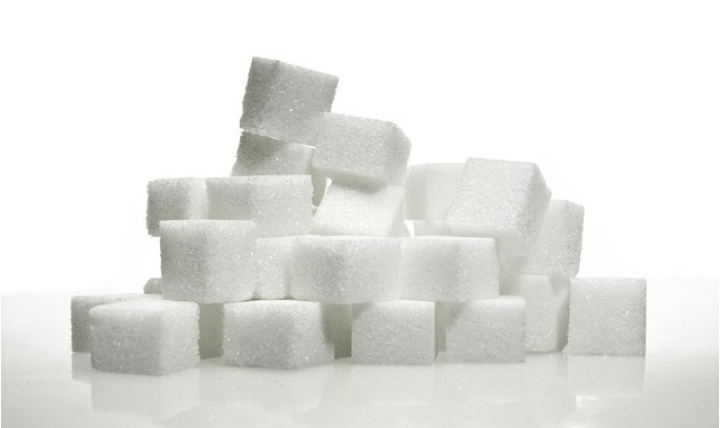
Sugar is one of the most commonly used ingredients in the world. It is found in almost all types of food and drinks. While sugar may add flavor to food, it is also a major contributor to many health problems. Consuming too much sugar can lead to obesity, type 2 diabetes, heart disease, and other health problems.

Sugar is a carbohydrate that is found in many different forms including sucrose (table sugar), fructose (fruit sugar), and glucose (blood sugar). Sugar provides energy for the body, but it is also high in calories. A single teaspoon of sugar contains about 4 grams of carbohydrate and 16 calories. The American Heart Association recommends no more than 6 teaspoons per day for women and 9 teaspoons per day for men. However, the average American consumes about 22 teaspoons per day.

Negative health effects

Consuming too much sugar can have a number of negative health effects. It can lead to obesity because it provides excess calories that are not burned off. Obesity increases the risk for heart disease, type 2 diabetes, stroke, and other health problems. Excess sugar can also damage teeth by promoting tooth decay.

Type 2 diabetes is a serious health condition that can be caused by consuming too much sugar. Diabetes occurs when the body cannot use insulin properly to convert blood glucose into energy. Over time, high blood glucose levels can damage organs and tissues throughout the body. Diabetes can be controlled with medication and diet, but it is a lifelong condition.

Heart disease is another serious health problem that can be caused by excess sugar consumption. Heart disease occurs when plaque builds up inside the arteries narrowing them and reducing blood flow. This can lead to chest pain, heart attack, or stroke. Reducing your intake of added sugars can help lower your risk for heart disease.

In addition to these serious health problems, consuming too much sugar can also lead to other issues such as headaches, fatigue, and mood swings. It is important to be aware of how much sugar you are eating every day and try to stick to the recommended amounts. Choose foods that are low in sugar or don’t contain any added sugars at all. Swapping sugary drinks for water or unsweetened tea or coffee is a good way to reduce your sugar intake.


Ginger Health Benefits – Eat Your Medicine Right

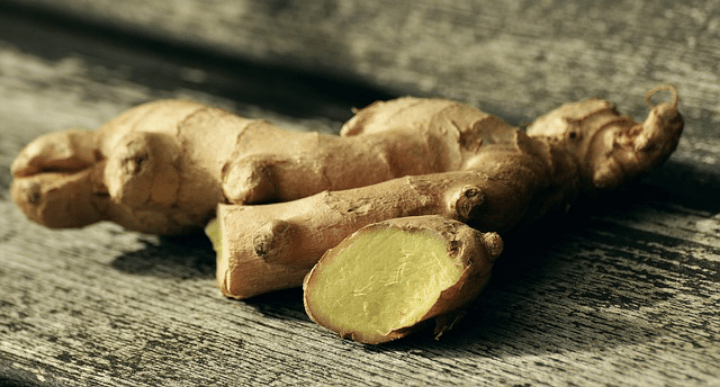
Ginger is a delicious root vegetable that has many health benefits. It can help improve digestion, circulation, and reduce inflammation. Ginger is also a natural anti-inflammatory and antioxidant that can help reduce the risk of diseases such as cancer.

Ginger is a spice that has been used for centuries in both Asia and Europe. It has a unique flavor that is difficult to describe, but is commonly used in savory dishes. Ginger also has many health benefits that make it a popular choice for people looking for an alternative to prescription medications.

Health Benefits of Ginger

Some of the health benefits associated with ginger include relief from nausea, motion sickness, and indigestion. Ginger can also be helpful in relieving pain associated with arthritis and menstrual cramps. Additionally, ginger has anti-inflammatory properties that can help reduce swelling and pain.

1) Ginger Contains Potent Anti-Inflammatory Properties

One of the most well-known health benefits of ginger is its anti-inflammatory properties. A study published in the Journal of Medicinal Food found that ginger extract was able to inhibit the production of inflammatory markers in human cells. Additionally, a study published in Arthritis Care & Research found that ginger was able to reduce inflammation and pain in people with osteoarthritis.

2) Ginger Can Help Reduce Symptoms of Nausea and Vomiting

Ginger has long been used as a natural treatment for nausea and vomiting. A study published in the journal Obstetrics & Gynecology found that ginger was able to significantly reduce symptoms of nausea and vomiting in pregnant women. Additionally, a study published in the journal Cancer Chemotherapy and Pharmacologyfound that ginger was able to reduce chemotherapy-induced nausea and vomiting.

3) Ginger Can Help Reduce Symptoms of Menstrual Cramps

A study published in the journal Phytotherapy Research found that ginger was able to significantly reduce symptoms of menstrual cramps in women.

4) Ginger Can Help Reduce Symptoms of Indigestion

A study published in the journal Digestive Diseases and Sciencesfound that ginger was able to improve digestive function in people with indigestion. Additionally, a study published in the journal Gastroenterologyfound that ginger extract was able to protect against stomach ulcers.

5) Ginger Can Help Boost Metabolism and Aid Weight Loss

Ginger has been shown to boost metabolism and aid weight loss. A study published in the journal Metabolismfound that ginger increased thermogenesis (the body’s ability to burn calories) by up to 20%. Additionally, a study published in Obesityfound that adding ginger to breakfast helped participants lose more weight and body fat than those who did not include ginger in their breakfast.

Consuming ginger

Ginger can be consumed in several ways, including fresh ginger root, powder, or extracts. It is also available as an essential oil. When using fresh ginger root, it can be grated or chopped and added to food or drink. Powdered ginger can be added to recipes or taken as a supplement. Extracts and essential oils can be used externally or internally, depending on the product.

Ginger precautions

While ginger is generally safe to consume, there are a few things to keep in mind. Ginger may interact with some medications, so it is important to speak with a doctor before taking ginger if you are taking prescription drugs. Additionally, large amounts of ginger may cause heartburn or other gastrointestinal problems. Start with small doses and increase gradually if needed.

Overall, ginger is a versatile spice with many health benefits. It can be used in food or taken as a supplement to help relieve nausea, pain, and inflammation. Ginger is safe for most people to consume and has few side effects.


The Best Meat to Eat for Healthy Living – Eat Your Medicine Right

The best meat to eat for healthy living is lean, unprocessed meat. Although there are many types of meat that can be considered “healthy,” lean, unprocessed meat is the best option because it is low in fat and calories and high in protein. Examples of lean, unprocessed meats include chicken, turkey, beef, pork, and lamb.

Fatty Fish

Fatty fish is also healthy. The health benefits of fatty fish include reduced inflammation, decreased risk of heart disease, improved brain function, and reduced symptoms of depression.

Lean cuts

When choosing meat to eat for healthy living, it is important to focus on lean cuts. Lean cuts of meat are those that have less than 10 grams of fat per serving. Processed meats, such as bacon, sausage, and ham, are high in fat and calories and should be avoided if you are trying to maintain a healthy weight or improve your health.

Source of the meat

Another important thing to keep in mind when selecting meat for healthy living is the source of the meat. Meat from animals that have been raised on pasture or who have been grass-fed is healthier than meat from animals that have been raised in factory farms. Meat from grass-fed animals is lower in saturated fat and has more omega-3 fatty acids than meat from conventionally raised animals.

Grass-fed beef

If you are looking for a healthy way to include red meat in your diet, look for grass-fed beef. Grass-fed beef is high in protein and vitamins A and E, and it has a lower risk of being contaminated with E. coli than beef from conventionally raised cattle.

When it comes to eating meat for healthy living, the best choice is lean, unprocessed meat from animals that have been raised on pasture or who have been grass-fed.


The Dangers of Processed Foods – Eat Your Medicine Right

Processed foods are unhealthy and dangerous. They are loaded with additives, preservatives, and artificial flavors that can have harmful effects on your health. Processed foods can also cause weight gain and contribute to other health problems.

The dangers of processed foods are vast and well-documented. Processed foods are loaded with sugar, unhealthy fats, and chemical additives that can have negative effects on both our physical and mental health.

Chronic diseases

Processed foods are linked to obesity and other chronic diseases such as heart disease, stroke, and diabetes. The high sugar content in processed foods can cause a spike in blood sugar levels, leading to insulin resistance and type II diabetes. Processed foods are also packed with unhealthy fats that can clog our arteries and increase our risk of heart disease.

Chemical additives

Chemical additives in processed foods can also have negative effects on our health. Artificial colors and flavors can cause allergic reactions or asthma attacks, while preservatives can increase our risk of cancer. Nitrates, which are commonly found in processed meats, can increase our risk of heart disease and certain types of cancer.

Mental health

Processed foods can also have negative effects on our mental health. The high sugar content can lead to mood swings and anxiety, while the artificial additives can cause hyperactivity and ADHD-like symptoms. Processed foods can also lead to food addiction, which can be very difficult to break free from.l

Processed foods are high in sugar, salt and unhealthy fats. These foods can cause weight gain, heart disease, high blood pressure and other health problems.