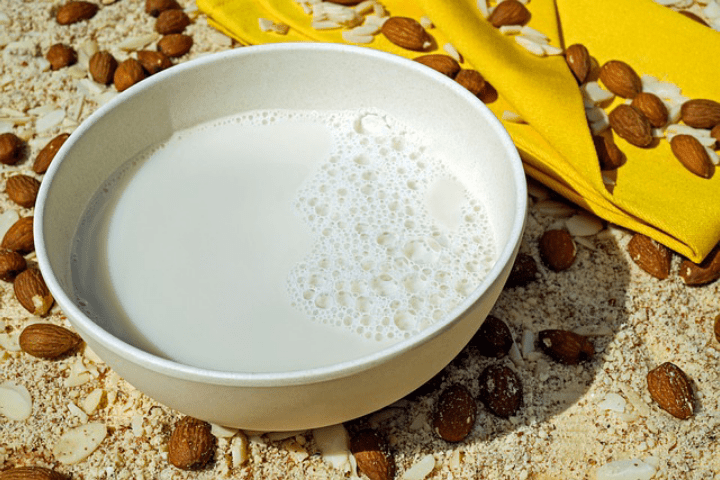
Almond milk is a non-dairy beverage made by blending almonds with water and sometimes sweeteners. It is popular among people who are lactose intolerant or have dairy allergies, and is also marketed as a healthier alternative to cow’s milk. Almond milk is high in monounsaturated fats, potassium, and vitamin E, and it contains no cholesterol or lactose. Some people argue that almond milk is not as nutritious as cow’s milk, since it contains less protein and calcium. However, most brands of almond milk are fortified with nutrients like vitamin D and calcium, so they provide similar benefits to cow’s milk.
Almonds Nutrition Facts
There are many benefits to consuming almond milk. Almond milk is made from ground almonds and water, and it has a nutty, slightly sweet flavor. It’s a great dairy-free alternative to cow’s milk, and it’s low in calories and fat. Almond milk is also high in vitamins and minerals, including vitamin E, magnesium, potassium, and zinc. Some notable points include:
1. It’s a great source of calcium. Almond milk is a good source of calcium, which is important for strong bones and teeth.
2. It’s low in calories. A cup of almond milk contains just 60 calories, compared to 150 calories in cow’s milk. This makes it a great choice for people who are trying to lose weight or maintain a healthy weight.
3. It has a high nutrient content. Almond milk is high in vitamins and minerals, including vitamin E, magnesium, potassium, and zinc. These nutrients are important for overall health and well-being.
4. It’s dairy-free. Almond milk is dairy-free, so it’s a good choice for people who are lactose intolerant or have dairy allergies.
5. It has a nutty flavor. Almond milk has a nutty flavor that many people enjoy. If you’re looking for a dairy-free alternative to cow’s milk that has a similar flavor, almond milk is a good choice.
Benefits of Almond Milk
There is a great variety of benefits that are associated with almonds. Some of these benefits include: improved heart health, cancer prevention, weight loss, improved brain function, and relief from constipation. Let’s explore each of these in more detail.
Heart Health
One of the best things about almonds is their ability to improve heart health. Almonds are high in monounsaturated fats, which have been shown to improve heart health by reducing bad cholesterol levels and inflammation. They also contain antioxidants, which can help protect the heart from damage caused by free radicals. Additionally, almonds are a good source of magnesium, which is important for maintaining a healthy heart rhythm.
Cancer Prevention
Almonds contain high levels of antioxidants, which can help protect against cancer. In particular, almonds are rich in phenolic compounds, which have been shown to reduce the risk of cancer. Additionally, almonds are a good source of vitamin E, which can also help protect against cancer.
Weight Loss
Almonds are a good source of fiber and protein, both of which are important for weight loss. Fiber helps keep you feeling full after eating, while protein helps to build muscle mass and burn fat. Additionally, almonds are low in calories and easy to fit into a healthy diet plan.
Improved Brain Function
Almonds are a good source of vitamin E, which is important for maintaining healthy brain function. Vitamin E helps protect the brain from damage caused by free radicals and can help improve cognitive function. Almonds also contain magnesium, which is important for brain health and can help prevent migraines.
How to Prepare Almond Milk
1 cup raw almonds
4 cups water
Soak almonds overnight in water. Rinse and drain. Add almonds and water to a blender. Blend on high for 2 minutes. Strain milk through a fine mesh strainer or cheesecloth. Enjoy!
The health benefits of almonds include improved complexion, increased energy, weight loss, reduced cholesterol levels, cancer prevention, and improved heart health.
- The Importance of Wellness in Today’s Society: Understanding the Wheel of Wellness: Safina Wellness AllianceThe concept of wellness has gained significant traction. As we navigate through the complexities of modern life, the importance of maintaining a balanced and healthy lifestyle cannot be overstated. One … Continue reading The Importance of Wellness in Today’s Society: Understanding the Wheel of Wellness: Safina Wellness Alliance
- Remedy to Lower High Blood Pressure – Eat Your Medicine RightThere are many natural remedies for high blood pressure. Some people may find one or more of these remedies helpful in lowering their blood pressure, while others may not. It … Continue reading Remedy to Lower High Blood Pressure – Eat Your Medicine Right
- Rheumatoid Arthritis Treatment With Home Remedies – Eat Your Medicine RightThere are many different natural remedies for rheumatoid arthritis available. Some people find that one remedy works better for them than another, so it is important to try a few … Continue reading Rheumatoid Arthritis Treatment With Home Remedies – Eat Your Medicine Right
- Natural Remedies For Hot Flashes – Eat Your Medicine RightHerbal remedies for hot flushing in menopause can help to alleviate the uncomfortable symptoms that are associated with this stage of life. Some of the most common herbs used to … Continue reading Natural Remedies For Hot Flashes – Eat Your Medicine Right
- 10 Reasons to Start Drinking Pawpaw Leaf Tea Today – Eat Your Medicine RightThe pawpaw tree is a deciduous tree that can grow up to 60 feet tall. It has broad, heart-shaped leaves and greenish-yellow flowers. The fruit of the pawpaw tree is … Continue reading 10 Reasons to Start Drinking Pawpaw Leaf Tea Today – Eat Your Medicine Right

 Safina Wellness Alliance Program